How to Stay Motivated to Cycle When Motivation Fades
To stay motivated to cycle, stop relying on motivation alone. Make the next ride small and specific, let other people see the commitment, track visible progress, and use a weekly reset so one missed session does not become failure. The best system makes tomorrow’s action obvious and rewards consistency rather than elite performance.
You can love cycling and still leave the bike untouched for a week. Work runs late. The weather turns. Your usual riding partner is busy. Then one missed ride quietly becomes several.
That does not necessarily mean you chose the wrong sport or lack discipline. It often means the next action is vague and the reward is too far away. If you are wondering how to stay motivated to cycle, the answer is not to wait for a dramatic burst of inspiration. It is to build a simple system that still works on an ordinary Tuesday.
Why cycling motivation fades, even when you love riding
Cycling motivation often fades because the first rewards are immediate, but later progress becomes harder to see. A new cyclist can notice rapid improvements: a longer route, a first climb, or the first ride that does not feel exhausting. After that, progress may arrive in smaller increments.
Life also creates friction. A plan such as “ride more this month” sounds positive, but it does not tell you what to do tomorrow. A plan such as “ride for 25 minutes after work on Wednesday” gives you a time, a starting point, and a finish line.
Research on physical-activity habits supports the importance of repetition in a stable context. In a 105-day micro-randomized trial, researchers found that repeating an activity in response to a cue was positively related to habit strength. The study was small, so it should not be treated as a universal formula, but it supports a practical idea: make the cue and action easier to repeat, not more heroic. [Read the HabitWalk study]
How to stay motivated to cycle: use a four-part system
A reliable cycling habit needs four things: a clear commitment, an achievable ride, immediate evidence of progress, and a reason to repeat the loop. You do not need a complex training plan to start.
1. Decide on the next ride, not the perfect month
Turn a broad intention into one concrete commitment:
“Tuesday at 18:30, I will ride my usual 20-kilometre loop.”
“Saturday morning, I will explore one new road for 45 minutes.”
“If it rains, I will do a 20-minute indoor session instead.”
The first version of the plan should answer three questions: when will I start, where will I begin, and what is the minimum that counts?
That minimum matters. A short ride protects the rhythm of showing up. It also removes the all-or-nothing choice between a perfect workout and no workout at all.
2. Lower the activation cost
Make the first five minutes easier before you try to make the whole ride better.
Charge your bike computer the night before.
Put your kit where you can see it.
Save one short route that requires no planning.
Agree on a departure time with a friend.
Connect the device you already use so the ride syncs automatically.
These steps sound small because they are small. That is the point. Motivation is more useful once you are moving; your system needs to help you reach that moment.
3. Give the ride an immediate result
Long-term goals—fitness, health, a sportive, a faster climb—can take months. Give each ride a nearer finish line too:
complete the commitment you made;
add one activity to the week;
keep a team in contention;
record a personal best;
unlock a visible milestone;
create something worth sharing.
The reward does not need to be money, a medal, or a huge distance. It needs to show that the effort counted.
4. Review the week without judging your identity
At the end of the week, ask:
What made starting easy?
What got in the way?
What is the smallest useful commitment for next week?
Review the system, not your character. “Wednesday was overloaded, so I need a shorter backup ride” gives you something to change. “I am lazy” does not.
Use social accountability without turning every ride into a race
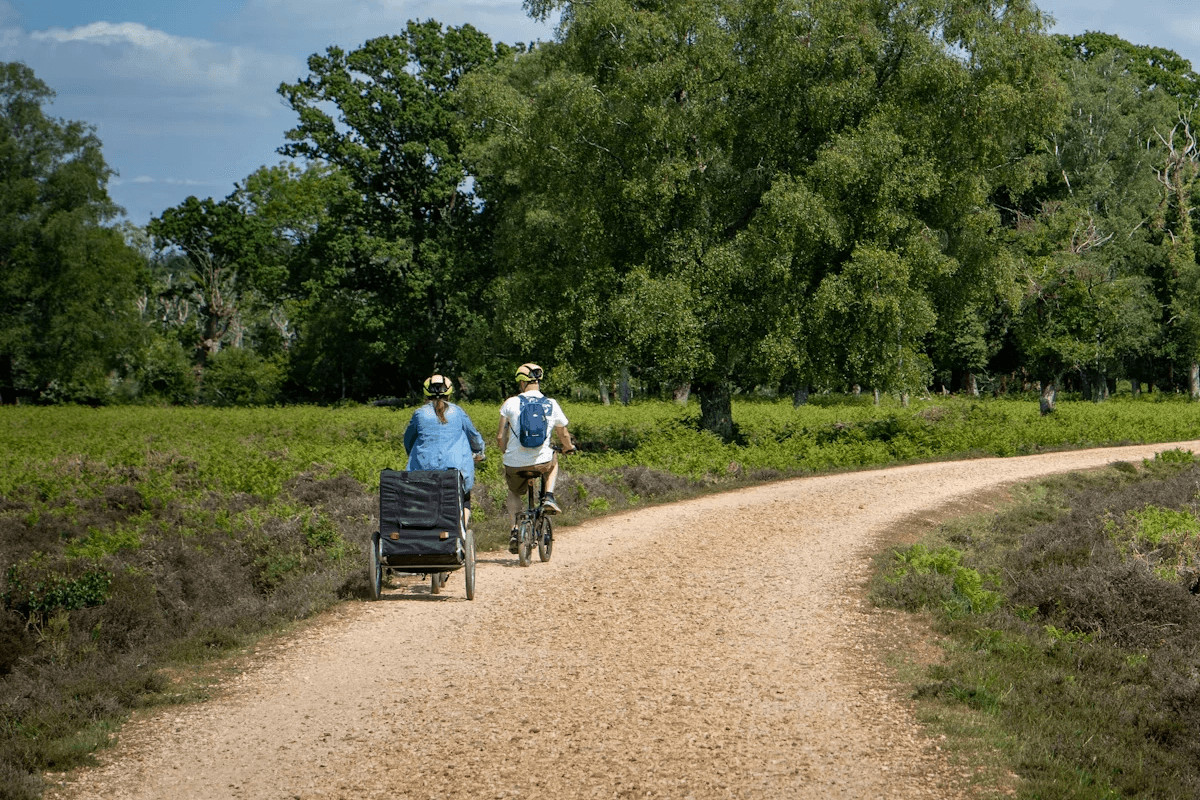
Social accountability works when other people make your effort visible and relevant—not when they make every ride feel inferior.
A large study of about 1.1 million runners found evidence that exercise behavior can spread through social networks. The researchers used weather differences across locations to help separate peer influence from simple similarity between friends. Friends’ activity influenced how far and how long other people ran, although the effects varied across relationships. Read the Nature Communications study.
You can apply the same principle to cycling without coordinating a live group ride. Try one of these lightweight formats:
Tell one friend exactly when you plan to ride.
Create a small weekly challenge around consistency, time, or total effort.
Share progress with athletes near your current level.
Let each person train on their own schedule.
Celebrate contribution, not only first place.
Asynchronous competition is especially useful for adults with jobs, families, and different training windows. Everyone can contribute when their schedule allows, while the shared week still creates a deadline.
If you want that structure, Pruvi Leagues turns synced cycling and running activities into a weekly small-team competition. It is designed as a layer above your workout data, not as another app that asks everyone to train at the same time.
Make progress visible—but keep the comparison fair
Visible progress helps answer a crucial question after every ride: did this effort move anything forward? The answer should not depend entirely on whether you were faster than the best cyclist in your area.
Useful signs of progress include:
rides completed this week;
consistency across several weeks;
time spent active;
personal-best distance, pace, or elevation;
contribution to a team goal;
a rank among reasonably matched peers;
milestones that reflect your own history.
Competition can increase activity, but the design matters. An analysis of nearly 2,500 walking competitions covering more than 800,000 person-days found that participants increased their activity by an average of 23% during competitions. The study also found that competition became less effective when participants were highly unequal. It studied walking rather than cycling and was observational, so the exact number should not be transferred directly to every sport. The design lesson is still valuable: a close, understandable contest is more motivating than an impossible one. Read the Stanford-led study.
This is why beginners and casual athletes need more than a global leaderboard. They need progress that remains meaningful at their level.
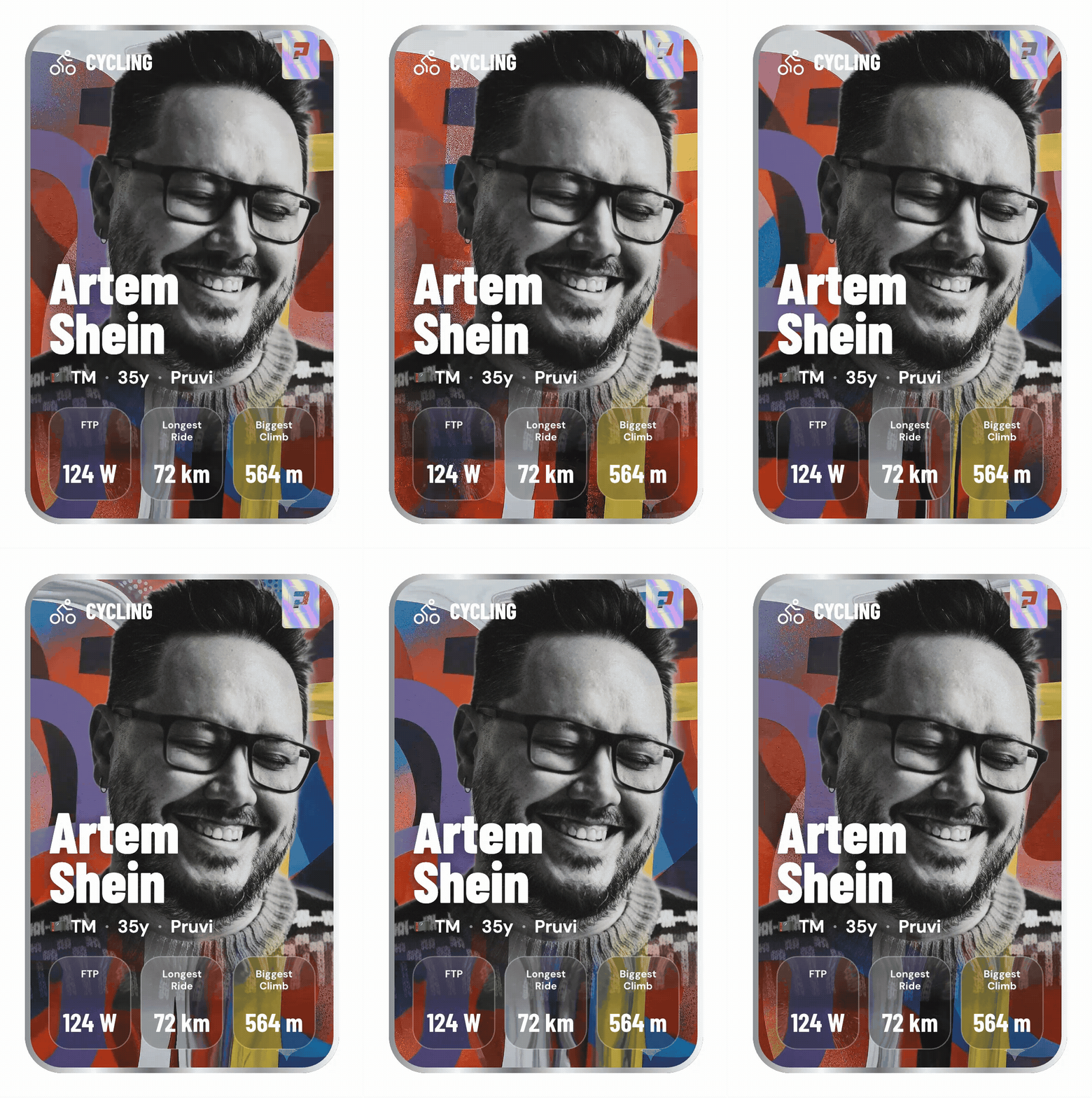
You can also make progress tangible without competing. The free Pruvi Athlete Card lets cyclists and runners turn their sport and personal bests into a visual card they can export and share. The card does not prove that you are better than somebody else. It makes your own athletic identity and progress visible.
Let every week be a fresh chance
One missed ride should provide information, not create a permanent failure state. Pruvi’s product philosophy is to use weekly resets because they keep competition current and make returning easier. This is a design choice, not a claim that every athlete needs the same seven-day cycle.
The practical rule is simple:
Protect continuity, but make returning more important than protecting a perfect streak.
If you miss Wednesday, you can ride Friday. If the whole week disappears, start again next week. Do not respond to a missed session by scheduling an unrealistic comeback ride that creates even more resistance.
A useful weekly reset has three parts:
Close the old week: record what happened without trying to rewrite it.
Choose one new commitment: decide the next ride before the new week becomes busy.
Keep the target flexible: give yourself a minimum version for difficult days.
This approach keeps the feedback loop alive: commit, ride, see progress, and repeat.
Use the workout data you already have
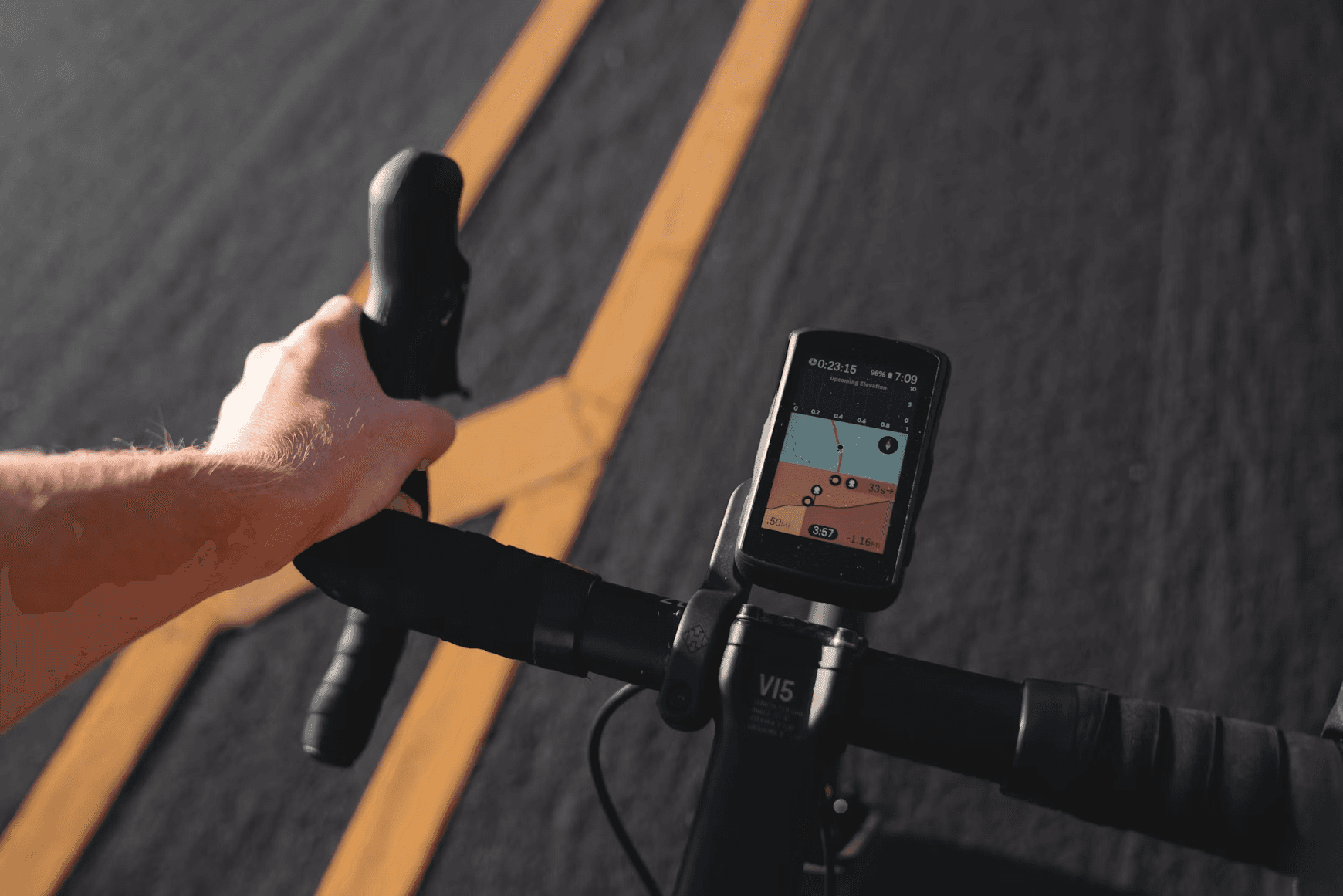
You do not need another tracker to become more consistent. Garmin, Wahoo, Apple Health, Google Health, Samsung Health, and Strava already capture useful workout data. The missing piece may be what happens after the activity syncs.
A motivation-first layer should turn that data into a clear next reason to ride:
your effort advances visible progress;
the activity contributes to a weekly goal;
teammates can see the contribution;
a new week creates another reachable contest;
your personal milestones become easy to share.
This distinction matters. Tracking answers “What did I do?” Motivation design answers “Why should I do it again tomorrow?”
Pruvi is being built around the second question. It does not replace your bike computer, watch, or health platform. It uses the activity data you already create to add progression, team play, and asynchronous competition.
A simple plan for your next seven days
If you want to stay consistent with cycling, start smaller than your ambition:
Choose one ride you can complete even during a busy week.
Put the day, time, route, and minimum duration in your calendar.
Prepare your equipment before the cue arrives.
Tell one person or join a small group challenge.
Decide what visible result the ride will create.
Review the week and set one new commitment.
Do not add more complexity until this loop feels easy to repeat.
Frequently asked questions
How do I motivate myself to cycle regularly?
Make the next ride specific and small enough to start: choose a day, time, route, and minimum duration. Add immediate feedback—such as visible progress or a team contribution—so the reward does not depend only on a distant fitness goal.
Why have I suddenly lost motivation to ride my bike?
Motivation can fade when novelty disappears, progress becomes less visible, life adds friction, or comparison makes your effort feel insignificant. Start by reducing the size of the next commitment and changing the cue, route, riding company, or feedback—not by assuming you no longer enjoy cycling.
Does riding with friends improve cycling consistency?
Friends can make a commitment more visible and give each ride social meaning. You do not need to ride together in real time: a shared weekly challenge or simple check-in can provide accountability while letting everyone train on their own schedule.
Can a cycling app help if I do not want a training plan?
Yes, if the app focuses on motivation rather than prescribing workouts. Look for simple commitments, visible progress, fair competition, weekly goals, and automatic use of workout data from devices you already own.
How do I return to cycling after missing a week?
Choose a short, familiar ride and treat it as a restart rather than a fitness test. Avoid trying to repay the missed week with one punishing workout; restoring the cue-and-action loop is more useful than proving how much effort you can tolerate.
Your next ride needs a reason, not a speech
You do not have to feel inspired every time you cycle. Make one clear commitment, lower the effort needed to start, give the ride an immediate result, and let other people make the effort matter. Then review the week and begin again. That is a more durable answer to fading motivation than waiting for discipline to return.

" height="33.70300000021607px" id="uswREDGnm" width="159.77999365234376px"/></svg>)
© 2026 Pruvi. Designed to Motivate.